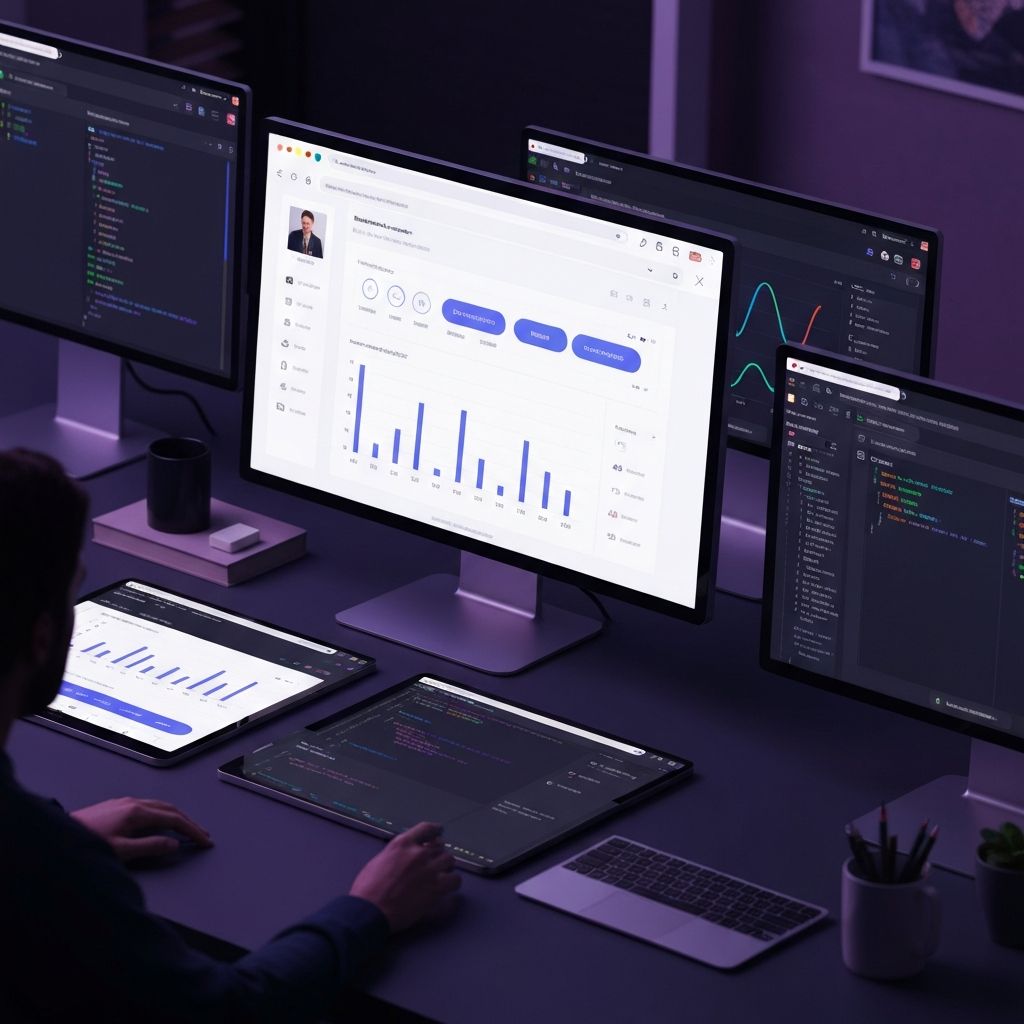
Integrating Artificial Intelligence into a company is much more than a simple technological implementation; it is a strategic transformation that requires a careful approach and an open mindset.
Think of AI as new talent joining your team. To maximise its potential, you need a well-structured onboarding process. In this article, we explore the essential steps for effective AI adoption in communication and innovation strategies.
1. Presenting AI to the team
Like any new employee, AI should be introduced to the team with a clear presentation of its role and the benefits it can bring. It's crucial to educate the team about what AI is, how it works and in which areas it can improve work processes. Run workshops and training sessions so everyone understands AI's capabilities and sees it as a working partner, not a threat.
2. Define clear objectives
No integration is effective without well-defined goals. AI should be adopted with specific targets, whether to automate processes, personalise customer experience or optimise data analysis. Setting clear goals helps align AI implementation with your company's strategic needs, ensuring it contributes measurably to desired outcomes.
3. Choose a mentor: the support team
Every new team member needs guidance and support. In the case of AI, the support team takes on this role, composed of IT specialists, data analysts and project managers. This team must ensure that AI is used most effectively, that algorithms are monitored and adjusted when needed, and that all integrations with other digital tools run smoothly.
4. Training and continuous adaptation
AI implementation doesn't end with installation; on the contrary, that's where the real work begins. Continuous training is essential so your team learns to work with AI tools, interpret the insights generated and apply them practically in company strategies. This phase is marked by an adaptation process where mistakes are allowed and adjustments are made to optimise AI usage.
5. Monitoring and constant adjustments
AI, like any human colleague, needs to be evaluated and adjusted based on its performance. Monitorising AI's impact on operations, gathering team feedback and adjusting its application are essential steps to ensure its effectiveness. Use relevant metrics and KPIs to assess whether AI is meeting established goals and to identify areas for continuous improvement.
AI as an integral part of your team
Adopting AI as a new team member means more than just using it as a support tool; it's about integrating it intelligently to complement human work, improve efficiency and drive innovation. With well-structured onboarding, AI can become a valuable asset, helping your company stay competitive and constantly innovate in a rapidly evolving market.
AI is no longer just a future trend; it's a present reality that, when well integrated, redefines how companies operate and interact with the world.